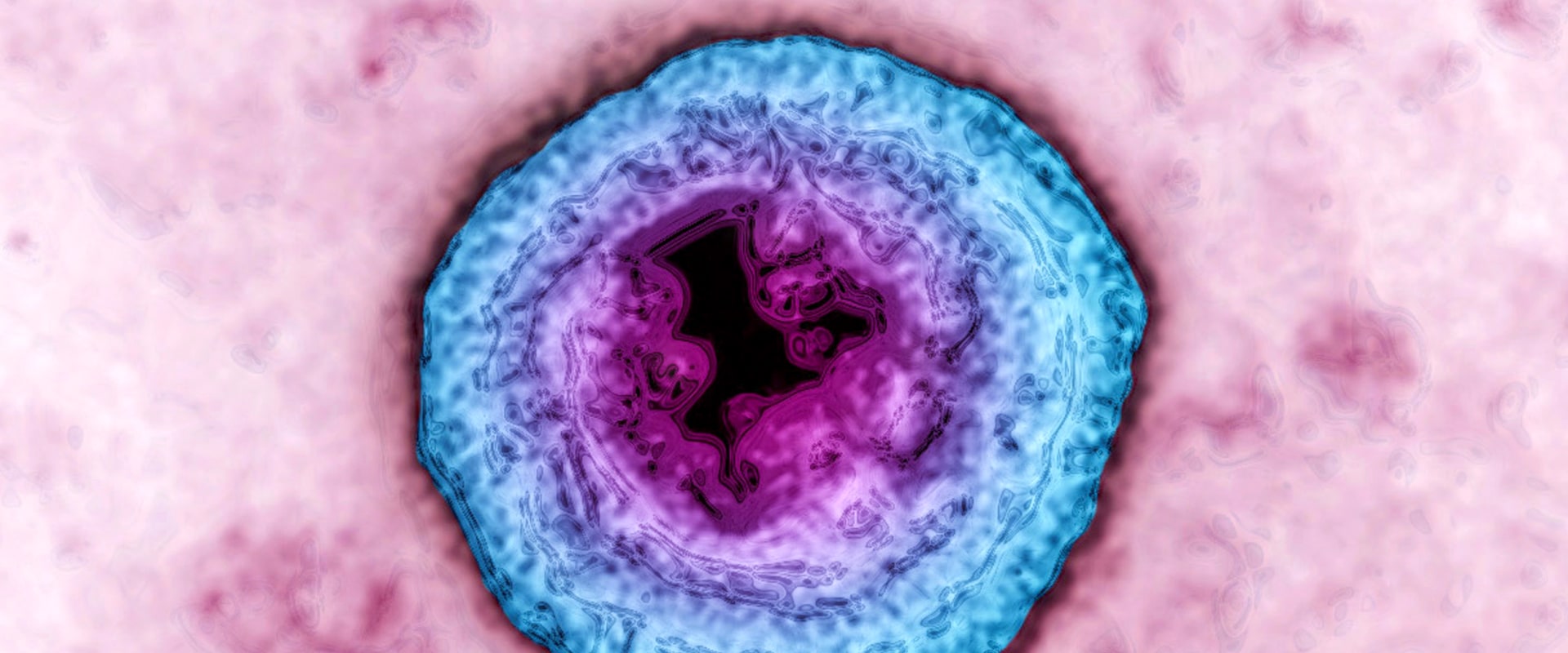


It will still be a long time before the first human trials of gene therapy to cure herpes are conducted. According to Jerome, at least three years are needed. Unfortunately, there is no known cure for genital herpes yet. However, daily use of antiviral medications can help prevent or shorten outbreaks.
These treatments can also reduce the risk of transmitting the virus to others. Antiviral treatments can reduce the symptoms and infectiousness of genital herpes, but they cannot completely cure it. In the past five years, advances in herpes cure research have been made possible due to improvements in gene-editing tools. Currently, there is no cure for HSV-1 or HSV-2, although people with both types of herpes can take antiviral medications such as Valtrex to control their symptoms and reduce the risk of transmitting the virus to their partners.
A cure would completely eliminate the herpes virus from your body, while a vaccine would treat or prevent it. Keith Jerome has been exploring the possibility of curing lifelong herpes virus infections by using gene therapy tools to cut DNA. Medications have come a long way in helping to suppress herpes and it is possible that it can be cured in the future. So why isn't there a vaccine or cure for one of the most dreaded (and common) STIs? Are we closer to finding out? Herpes can hide in nerve cells for a long time before becoming active, making it difficult to find a cure.
This is why researchers are still working hard to develop a vaccine or cure for this virus.